Archives
- 2026-09
- 2026-08
- 2026-07
- 2026-06
- 2026-05
- 2026-04
- 2026-03
- 2026-02
- 2026-01
- 2025-12
- 2025-11
- 2025-10
- 2025-09
- 2025-03
- 2025-02
- 2025-01
- 2024-12
- 2024-11
- 2024-10
- 2024-09
- 2024-08
- 2024-07
- 2024-06
- 2024-05
- 2024-04
- 2024-03
- 2024-02
- 2024-01
- 2023-12
- 2023-11
- 2023-10
- 2023-09
- 2023-08
- 2023-06
- 2023-05
- 2023-04
- 2023-03
- 2023-02
- 2023-01
- 2022-12
- 2022-11
- 2022-10
- 2022-09
- 2022-08
- 2022-07
- 2022-06
- 2022-05
- 2022-04
- 2022-03
- 2022-02
- 2022-01
-
The application of diuretics induce an increased rate of wat
2023-10-31
The application of diuretics induce an increased rate of water exiting brain cells encouraging the formation of increased intracellular polyphosphoric acid. In the absence of the diuretic water is retained in cells converting polyphosphoric (-)-Huperzine A synthesis to monophosphoric acid. The latt
-
br Conflicts of interest br Acknowledgements
2023-10-31
Conflicts of interest Acknowledgements This work was sponsored by grants from Longyan University Scientific Research Fund for the Young Scholars (LQ2016010), Middle-aged and Young Teachers Education Research Projects of Fujian Province (JAT170569), Longyan University Scientific Research Fund f
-
In contrast to the beneficial treatment of skin inflammation
2023-10-31
In contrast to the beneficial treatment of skin-inflammation with PAH containing coal tar, epidemiology showed that environmental pollution, containing AHR-activating PAH, lead to more eczema [80]. Of note, other epidemiological data suggested that Th17 cell polarization may be enhanced air pollutio
-
br Perspectives and challenges Previously the main focus of
2023-10-31
Perspectives and challenges Previously, the main focus of development of adenosine targets for pain was on A1Rs, due to prominent antinociception in multiple preclinical models and preliminary observations in human trials. However, delivery of agonists can be limited by other (e.g. cardiovascular
-
Finally we show that the
2023-10-31
Finally, we show that the optimal corporate tax rate is strictly positive, balancing the increase in tax revenues against the loss in consumer surplus due to higher prices and fewer firms (products). This result is related to the well-known “excessive entry theorem” that shows, for a large class of
-
The role of DHT in early teleost embryogenesis
2023-10-31
The role of DHT in early teleost embryogenesis is not entirely clear or established, however additional studies that treat fish embryos to DHT or to specific srd5a inhibitors at critical stages of development (i.e. prior to sex differentiation) will shed light on the early functions of this androgen
-
Taking together findings from our study
2023-10-31

Taking together findings from our study and that from the literature, we propose a model (to be experimentally confirmed) of possible intracellular mechanism of NA-induced regulation of Na-K ATPase subunit expression (Fig. 8). NA acting on α1-AR modulates the α1- and α3-subunit expressions of Na-K A
-
Niflumic acid Aurora kinases were initially identified as pr
2023-10-31
Aurora kinases were initially identified as protein kinases essential for error-free chromosome segregation during mitosis and meiosis. Aurora A appears to control premetaphase events, such as bipolar spindle assembly 3, 4, with Aurora B and C directing metaphase and postmetaphase events, including
-
In response to DSB the lesion recognition factor
2023-10-31
In response to DSB, the lesion recognition factor Mre11-Rad50-Nbs1 (MRN) complex helps the recruitment of ATM to the damage site and its activation by phosphorylation [29]. However, whether UV-damage recognition factors directly influence ATR and ATM recruitment and their phosphorylation is not clea
-
GABAB receptor is associated with brain and
2023-10-31
GABAB receptor is associated with N-Methyl-D-aspartic acid and behavioral diseases, including epilepsy, spasticity, anxiety and neuropathic pain (Bettler et al., 2004, Bowery et al., 2002, Froestl, 2010). Baclofen, a clinical drug and selective GABAB receptor agonist, is used to treat muscle spasti
-
br COPD As in asthma also in COPD increased
2023-10-31
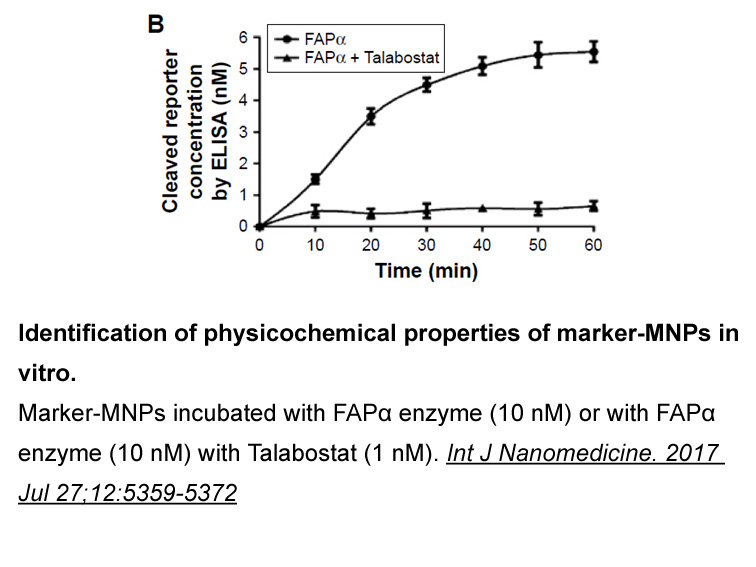
COPD As in asthma, also in COPD, increased expression of arginase has been reported, and tobacco smoke may increase expression of arginase in human subjects [46, 47]. Increased ADMA levels have also been reported in COPD, and both the increased expression of arginase and ADMA contribute to remode
-
In addition understanding the relationship between human met
2023-10-31
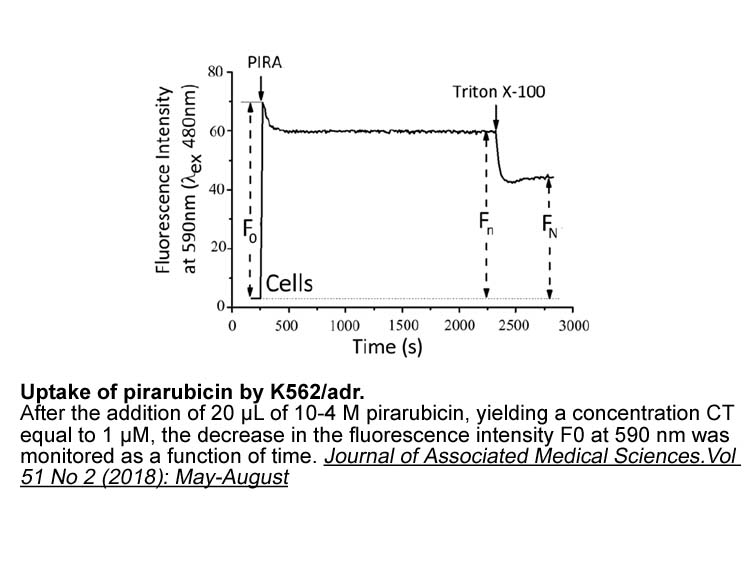
In addition, understanding the relationship between human metabolic processes and dietary antioxidant intake would provide opportunities for altering the diet to improve health (Prior, 2015). Prior et al. (2007) emphasized that excess reactive oxygen species, which occurred during the metabolism of
-
CRT 0066101 mg With wide spread use of corticosteroids to co
2023-10-30
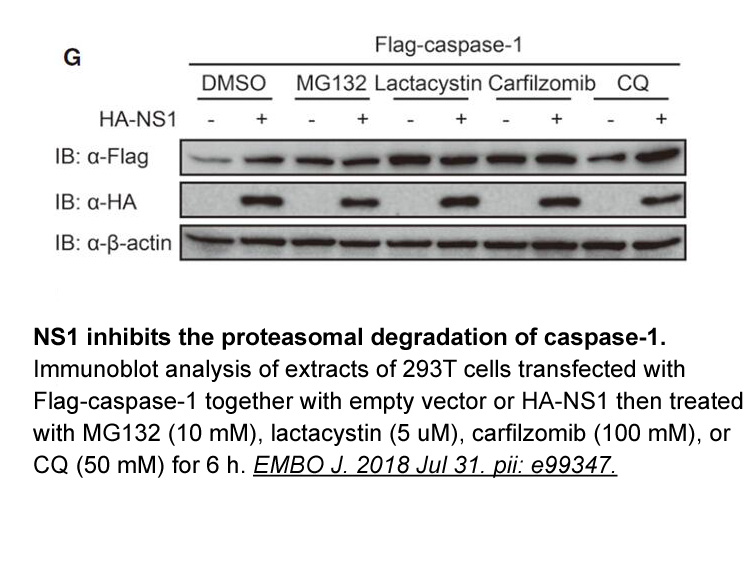
With wide-spread use of corticosteroids to combat inflammation and allergies, even children are susceptible to corticosteroid-induced muscle wasting. Although non-steroidal SGRMs that spare muscle and bone, but have significant anti-inflammatory effects, have been preclinically developed and tested,
-
br Material and methods br Results br Discussion In
2023-10-30
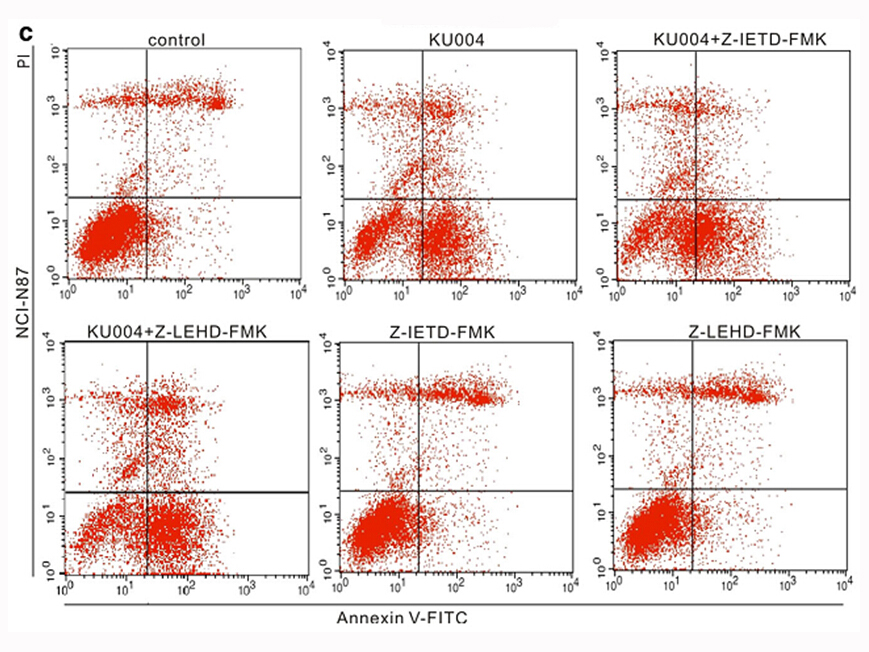
Material and methods Results Discussion In order to find new and improved ways of treating type 2 diabetes (T2D) and other related conditions it is vital that investigators gain a more in-depth understanding of the effects that anti-diabetic treatments, such as TZDs, have on molecules impli
-
Tryptone mg br Concluding Remarks The effects of point
2023-10-30
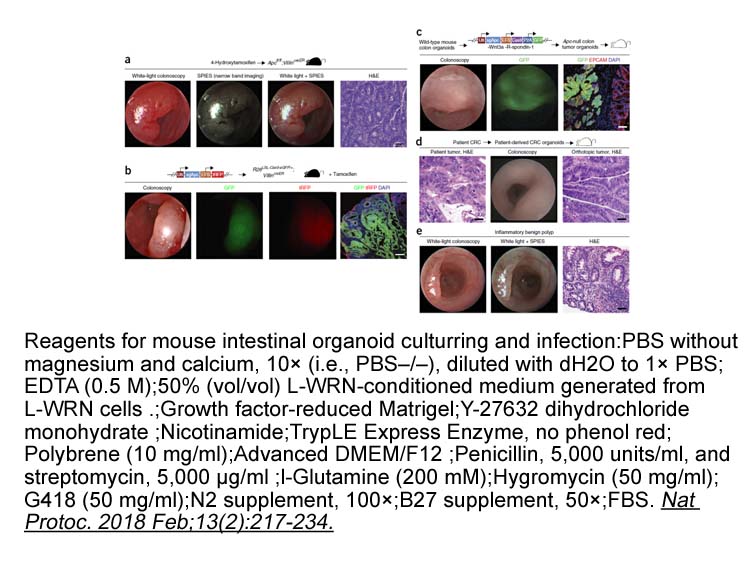
Concluding Remarks The effects of point mutations of the four ARs on ligand binding affinities, functional potencies, and efficacies constitute a valuable source of pharmacological information. We analyzed the existing data and mapped it on the collection of available AR crystal structures, allow
8013 records 279/535 page Previous Next First page 上5页 276277278279280 下5页 Last page